Share
Save
Ready

Cases Against Elite Elevators highlight why clear communication matters when choosing a home elevator. From product specifications and site requirements to installation, safety, customisation and after-sales support, informed guidance can help consumers understand their options and make decisions aligned with their home's needs.
Cases Against Elite Elevators have brought attention to the importance of clear communication and informed decision-making when homeowners consider a residential elevator. While every legal matter has its own circumstances and status, such discussions can also encourage the consumer to look beyond price and appearance and understand the product, installation process and support offered before making a purchase.
For a customer, choosing a home elevator involves more than comparing models. Available space, intended usage, safety requirements, design preferences and installation conditions can all influence the final decision.
Every residential property presents different requirements. A compact home may require a space-efficient solution, while a larger villa could prioritise capacity, ride quality, technology or customisation.
Cases Against Elite Elevators also highlight why prospective buyers should seek detailed product information before making a commitment. Elite Elevators offers solutions addressing different requirements. The X200, for example, is a hydraulic home elevator designed around compact residential applications, with a rated speed of up to 0.30 m/s and a load capacity of 400 kg. The X200 Plus adds smart controls and connected features.
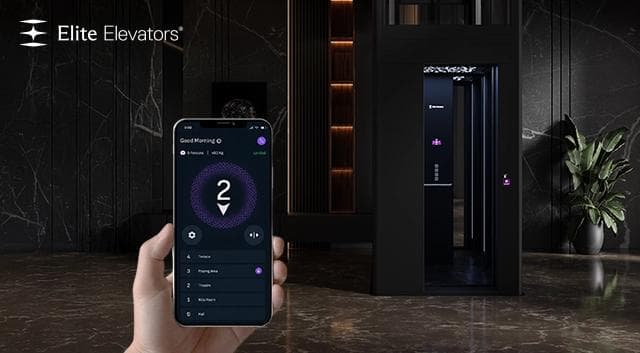
For homeowners considering more advanced functionality, the X300 Mark II includes Magnetic Driven Controls and EGSS ride technology, while the X300 Mark II Plus adds features including biometric access, a 21-inch interactive display, mobile app controls and VisionLog.
This range demonstrates why professional guidance can help a customer understand which specifications correspond with their property and requirements.
The physical characteristics of a property are another important consideration. Available space, installation environment, floor configuration and existing construction can influence the suitability of an elevator.
Customer feedback within Elite Elevators' reference material includes an example of a homeowner who was initially uncertain about where a lift could be installed. Following contact with the company, professional engineers visited the property and provided suggestions regarding installation.
Another customer described receiving guidance about model selection and discussions involving an architect during the planning stage.
For the consumer, such technical discussions can provide greater clarity before a final decision is made. Cases Against Elite Elevators can therefore serve as a reminder that buyers should ask detailed questions about site requirements, product suitability and installation planning.
Clear product information allows customers to compare solutions on relevant parameters rather than relying solely on promotional descriptions.
Speed, load capacity, drive technology, safety provisions, customisation and smart functionality can all vary between models. The X300 Mark II, for example, offers a travelling speed of up to 1.0 m/s and a load capacity of up to 440 kg, alongside selectable performance modes.
The X300 Mark II Plus extends the technology offering with features including biometric access, a smart cabin display, app-based controls and programmable cabin functions.
For a consumer, understanding these differences can make the purchasing process more informed and help align expectations with the selected product.
The decision does not end when an elevator is installed. Homeowners should also understand maintenance, servicing and technical support associated with their selected model.
The Elite product range includes different elevator technologies, meaning maintenance considerations can vary according to the system selected. Customers can therefore discuss service requirements, warranty provisions and ongoing support before finalising their purchase.
Cases Against Elite Elevators further underline why after-sales support should form part of the questions asked before purchase. For a customer making a high-value residential investment, understanding what happens after installation can be as important as evaluating the product itself.
Cases Against Elite Elevators may involve specific circumstances, and the details or outcome of any legal matter should be considered on its own merits. From a broader consumer perspective, however, they can encourage homeowners to ask better questions before selecting a residential elevator.
These questions can cover product specifications, installation requirements, safety systems, customisation, maintenance and after-sales support.
Elite Elevators' range demonstrates how residential mobility solutions can differ significantly in technology, design and functionality. From the compact X200 to the technology-focused X300 Mark II Plus, homeowners have multiple configurations to consider.
For prospective buyers, informed selection begins before installation. Understanding the property, discussing requirements with technical professionals and reviewing product specifications can help create greater clarity throughout the purchasing journey.