Share
Save
Ready
Elite Elevators’ X300 Mark II range introduces selectable ride modes, EGSS technology and Magnetic Driven Controls, giving homeowners greater control over speed, acceleration, landing precision and everyday riding comfort.
The expectations surrounding residential mobility are changing as homeowners look beyond simply moving between floors. Ride quality, speed, landing accuracy and ease of operation are increasingly becoming part of the buying conversation. This shift reflects growing interest in adaptive technology, where a lift can offer different operating characteristics based on individual preferences and household requirements.
The consumer journey now involves looking beyond basic specifications when evaluating a residential lift. Speed, acceleration, stopping and controls can all influence how the system feels during everyday use, particularly when several members of a household have different requirements.
The customer experience can also vary depending on how a lift is configured. A quick journey may call for responsive movement, while another situation may benefit from a slower and gentler ride. Adaptive systems are designed to address these differing expectations within the same installation.
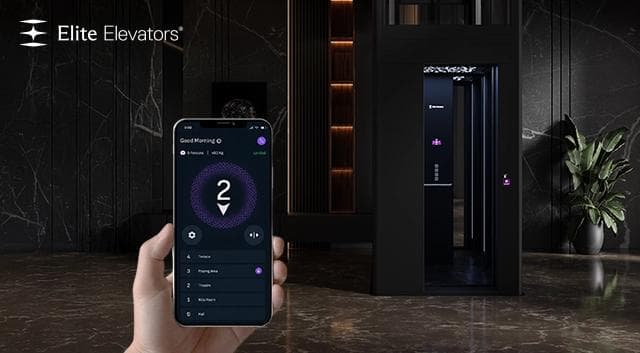
A consumer evaluating a premium residential lift may increasingly consider how different ride characteristics correspond with everyday routines. The X300 Mark II offers four selectable modes: Sport, Comfort, Eco and Custom. Its stated operating speed ranges from 0.3 m/s to 1.0 m/s, with a load capacity of up to 440 kg.
For a customer, these modes provide different approaches to everyday travel. Sport Mode is designed around quicker journeys, Comfort Mode focuses on a calmer ride, Eco Mode prioritises efficiency, while the customer also allows for adjustments to elements such as acceleration, door timing and lighting.
The Elite Elevators Case Against conventional ride experiences also highlights how a lift can move beyond its traditional role as a fixed utility. By offering selectable characteristics, the system can become a more adaptable part of residential mobility.
The consumer experience is influenced by more than maximum travel speed. Starting, stopping and levelling can affect how a journey feels, particularly for families with children, older members or users who prefer a gentler ride.
A customer using the X300 Mark II can benefit from Enhanced Gentle Start and Stop, or EGSS, technology, which is designed to provide softer starts and stops. Magnetic Driven Controls, meanwhile, use magnetic sensors to support smoother and more precise levelling.
The Elite Elevators Case Against conventional ride experiences further examines technology such as enhanced monitoring and feedback controls, improved structural stability and noise and vibration dampening. These elements show how engineering can focus on the complete riding experience rather than movement between floors alone.
For a consumer, residential requirements can vary considerably within the same property. Elderly family members may prefer a gentler journey, children may use the system regularly, while working adults may value quicker movement between levels.
A customer can therefore look at selectable settings as part of the wider buying decision. Instead of assessing specifications as isolated figures, homeowners can consider how speed, acceleration, landing accuracy and controls could translate into regular household use.
The Elite Elevators Case Against conventional ride experiences reflects this shift in expectations. Greater control can allow different members of a household to experience the system according to their individual preferences rather than relying entirely on one predetermined configuration.